Project 1: Sale Performance Dashboard
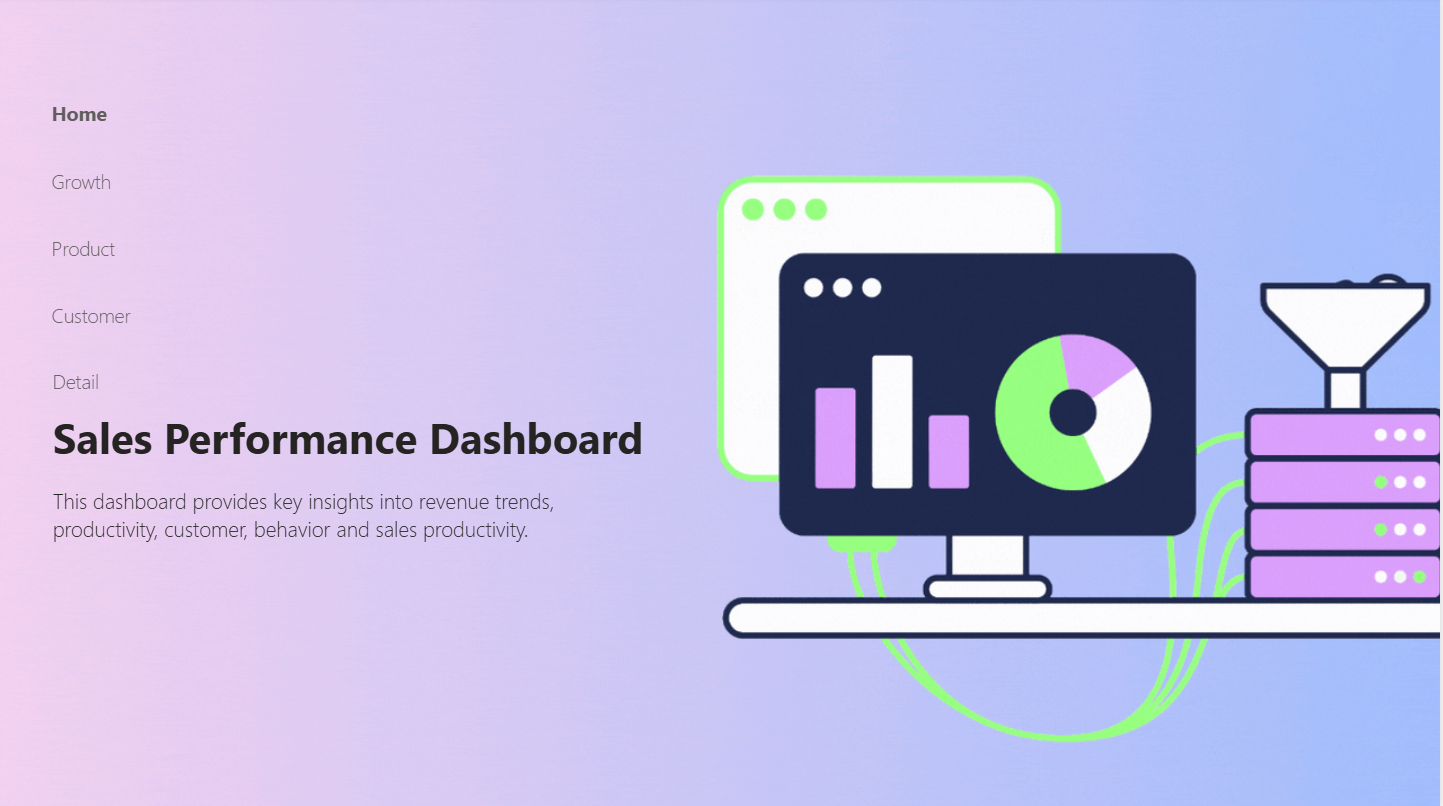
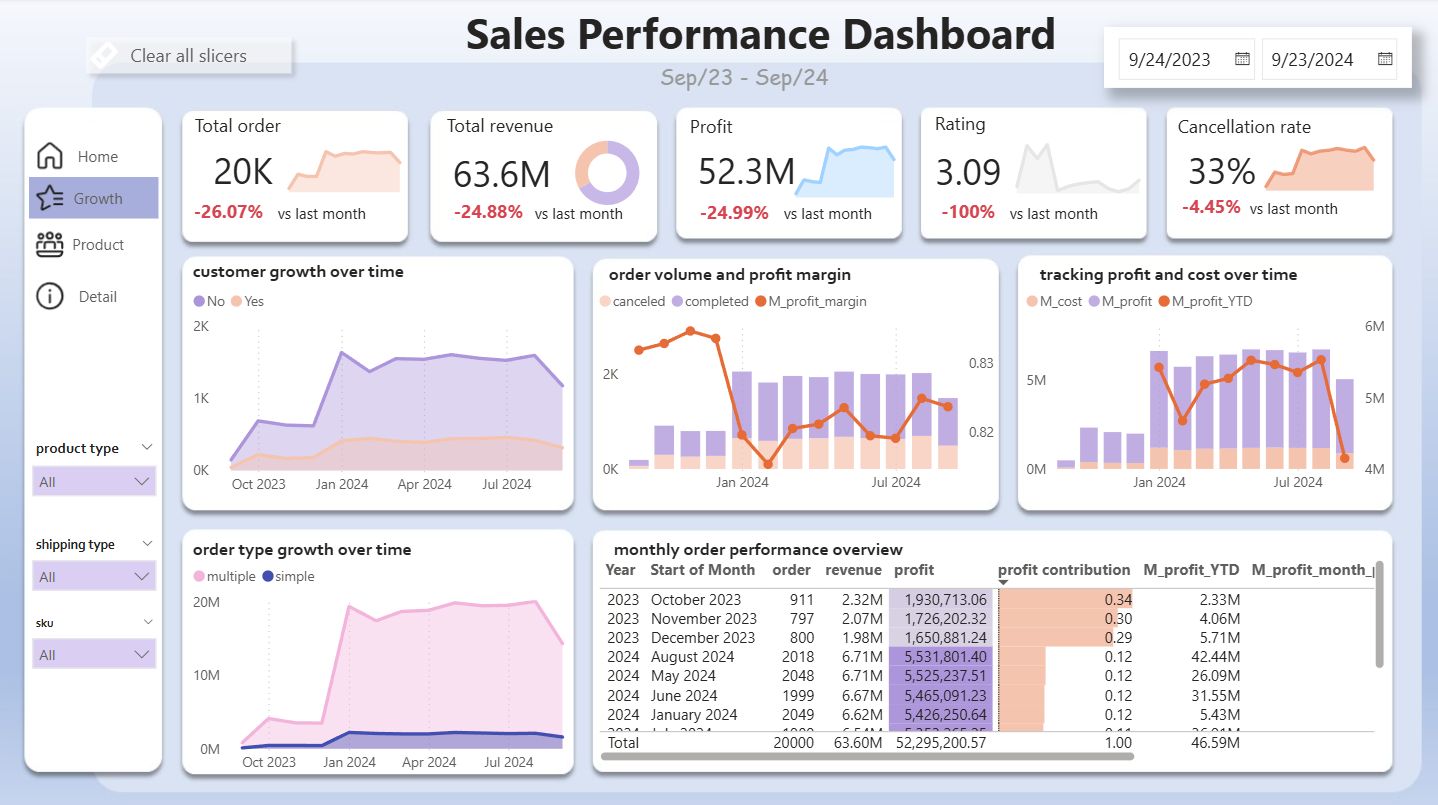
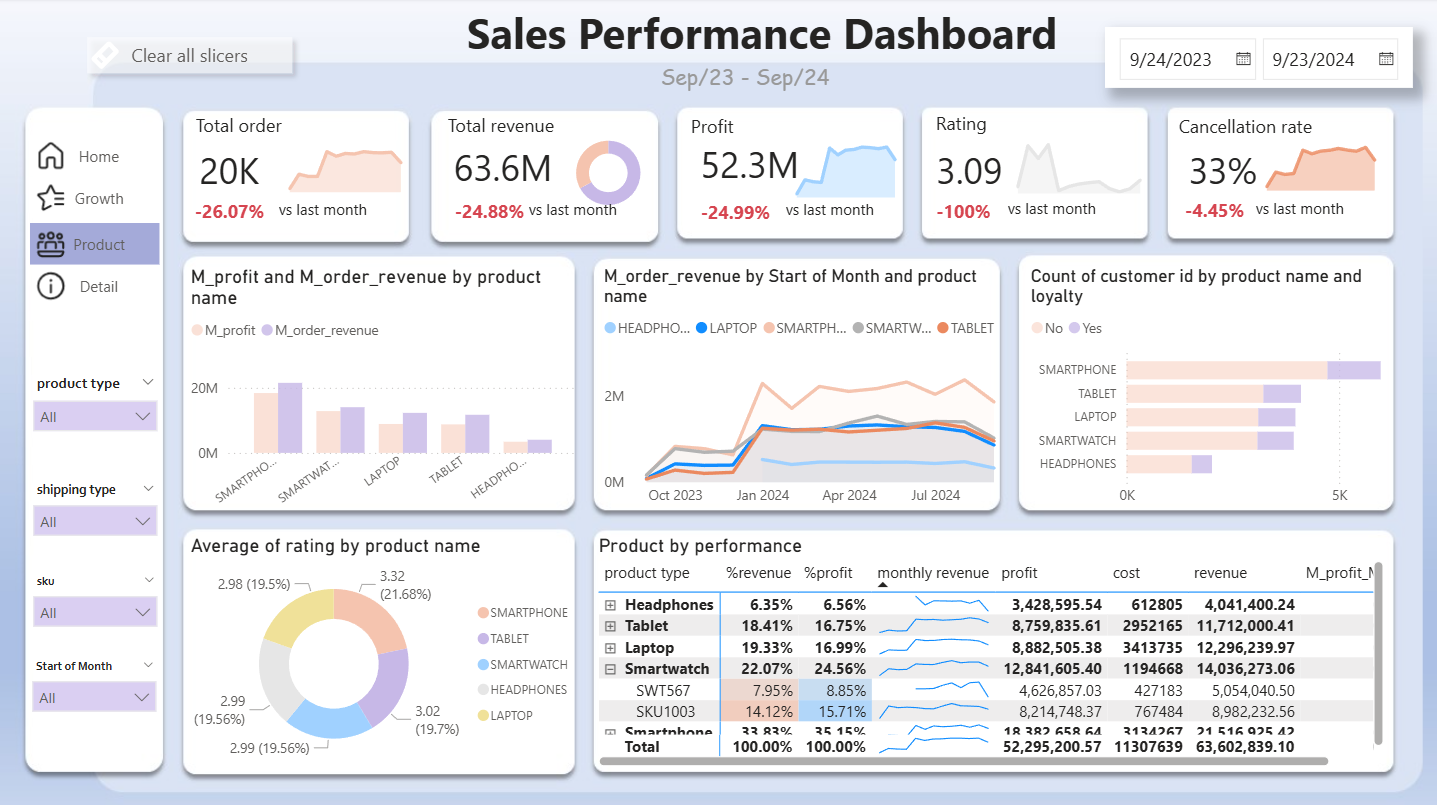
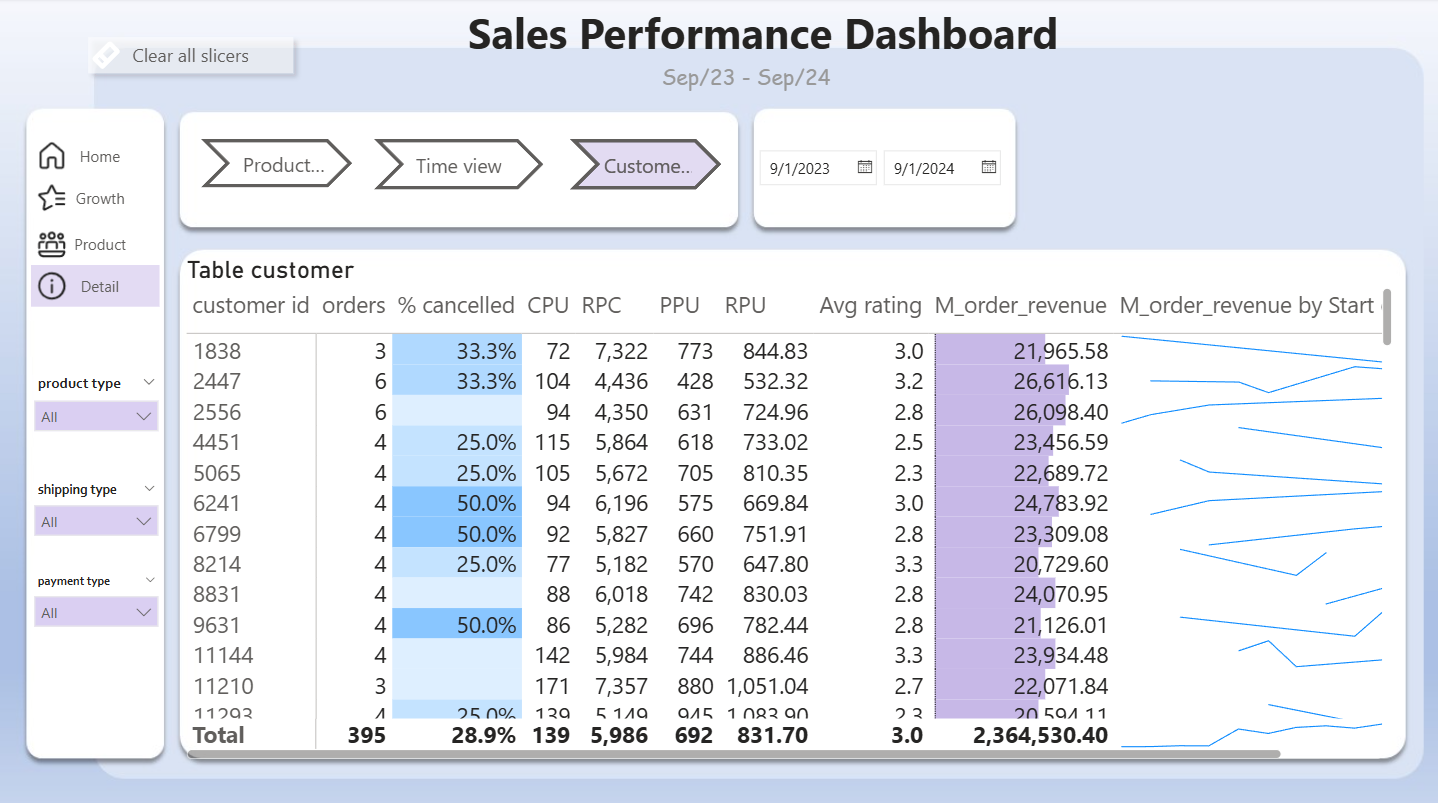
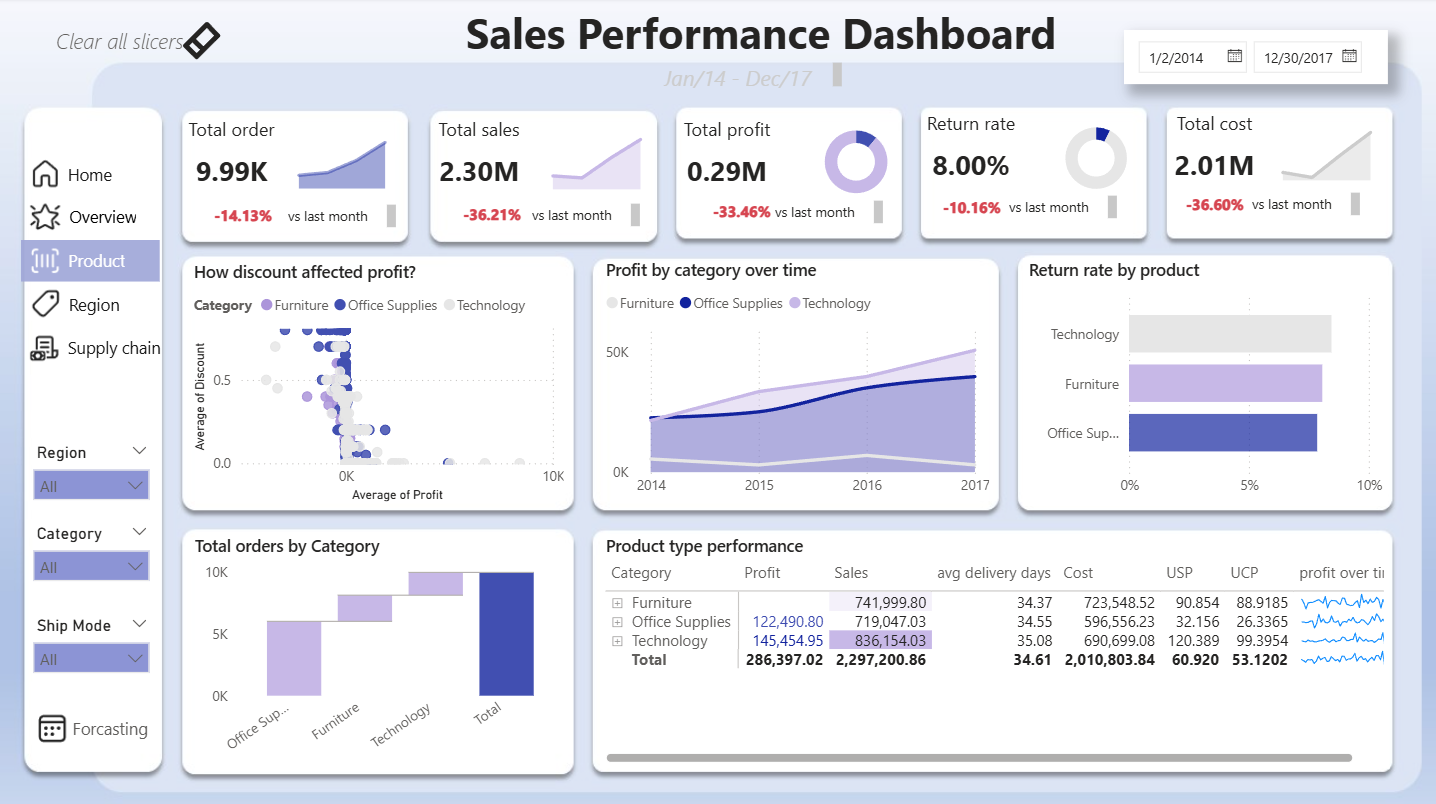
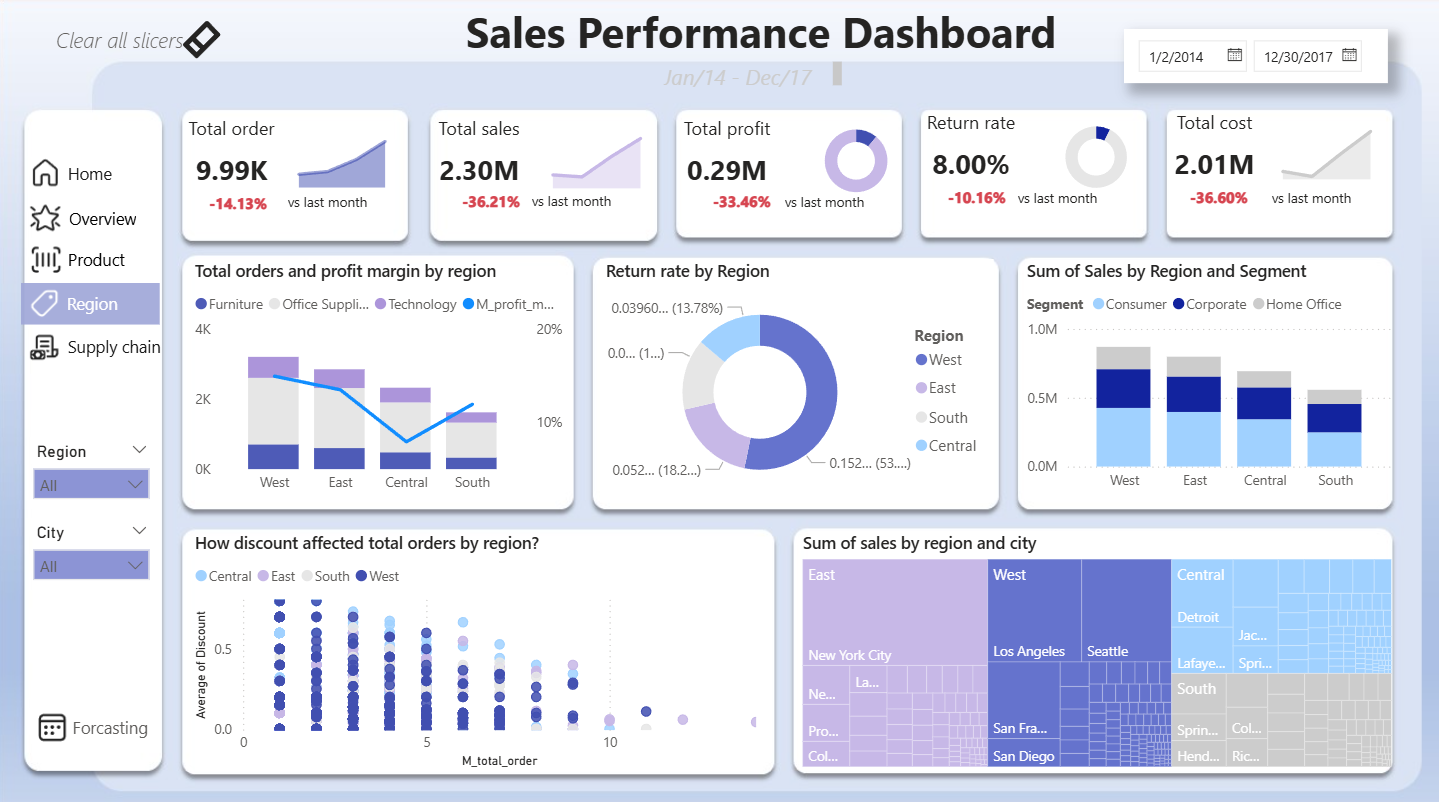
The project presents a sales performance dashboard built with Power BI to explore business trends and customer behavior. It provides a holistic view of sales performance across products, customer segments, and time periods. The dashboard uncovers insights related to growth, loyalty, and operational efficiency. Interactive visualizations support deeper exploration and faster decision-making. The analysis helps optimize strategies and improve overall business outcomes.
Project 1: Supply chain and Sales
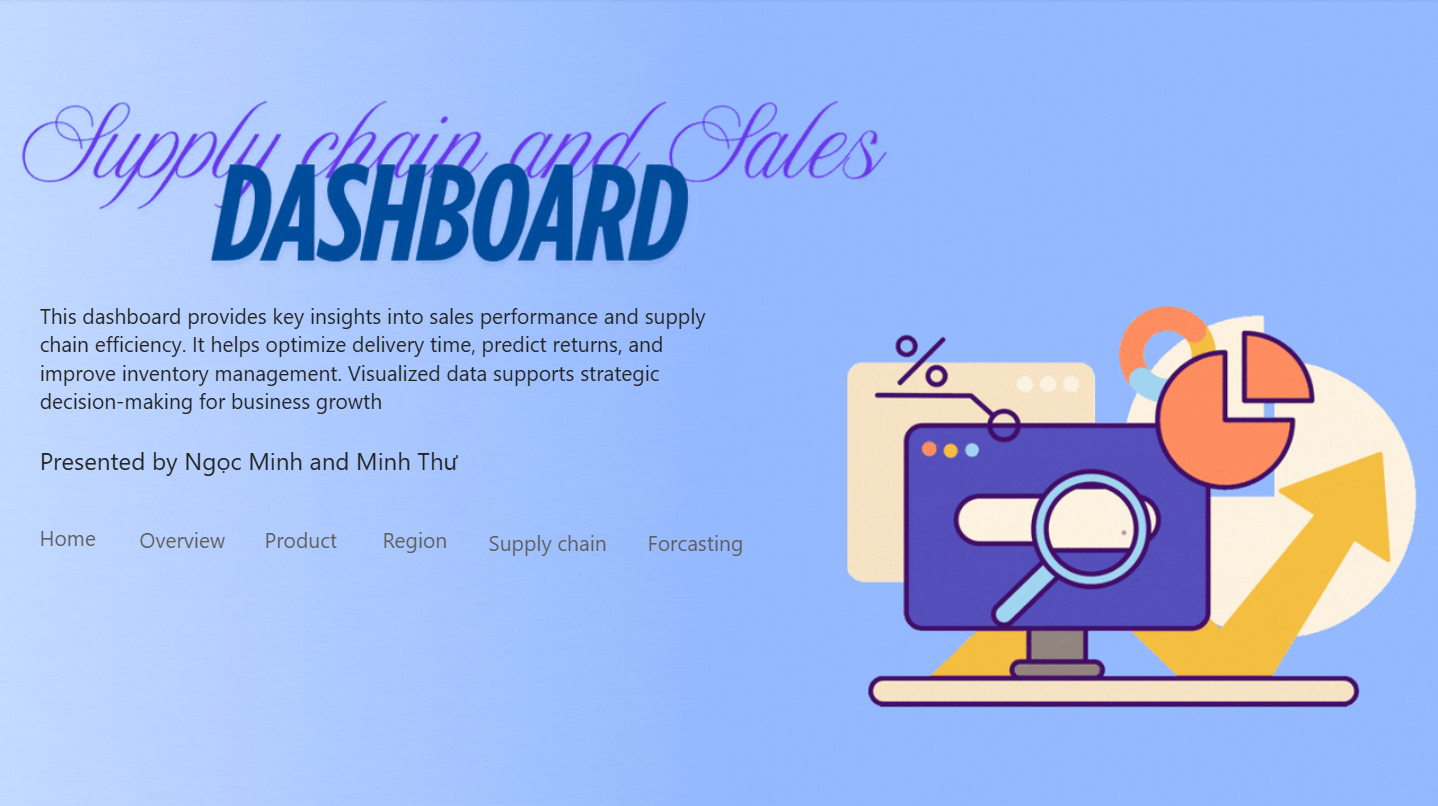
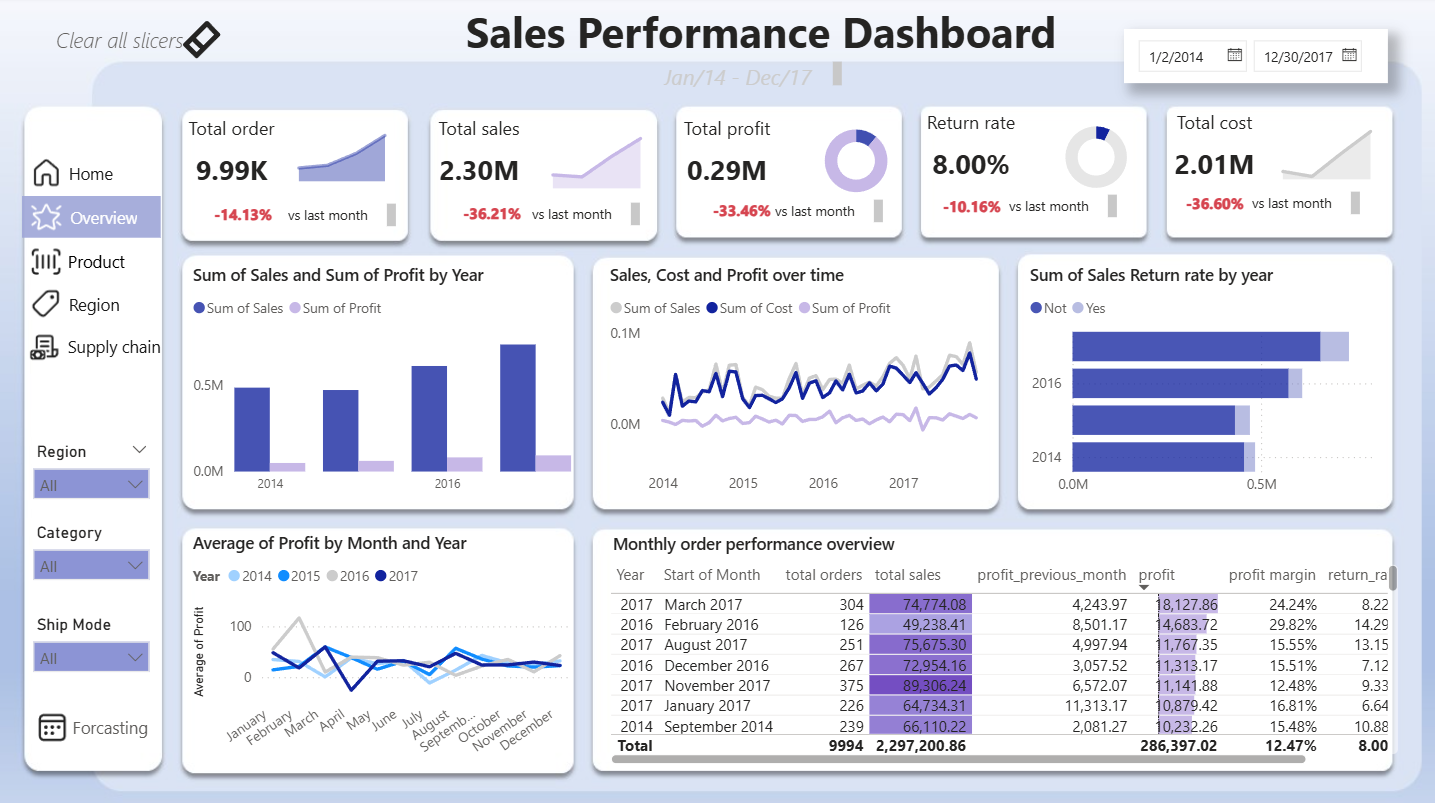
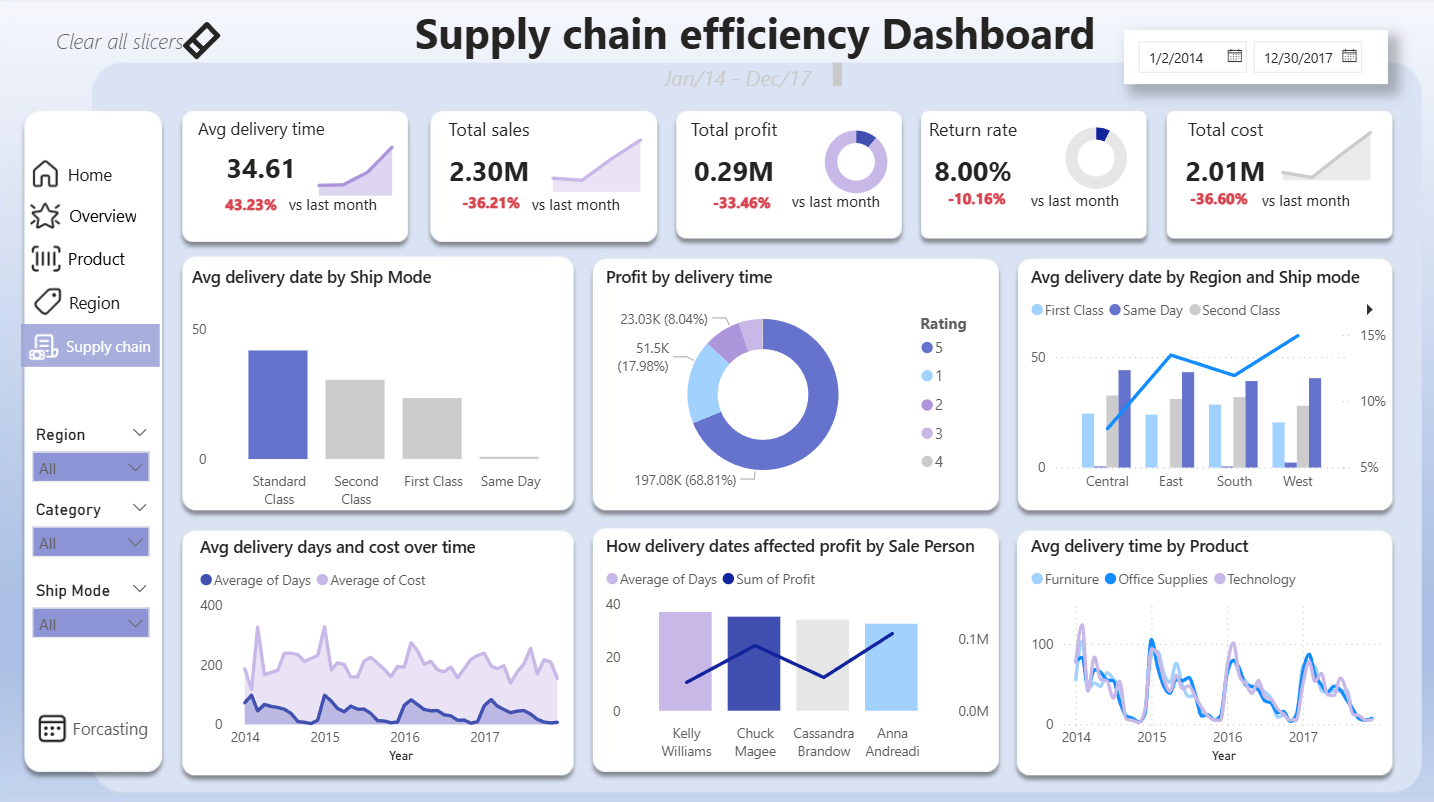
The project focuses on analyzing supply chain operations for a retail business using real-world data. Using Power BI, the analysis explored delivery times, return rates, shipping modes, and regional logistics performance. The goal was to identify operational inefficiencies, such as delays and high-return areas, and understand their root causes. Key insights included region-based delivery bottlenecks and product-level return patterns. An interactive dashboard was developed to support real-time monitoring. Strategic recommendations were proposed to optimize delivery processes and enhance overall supply chain efficiency.
Project 2: App Optimization Analysis
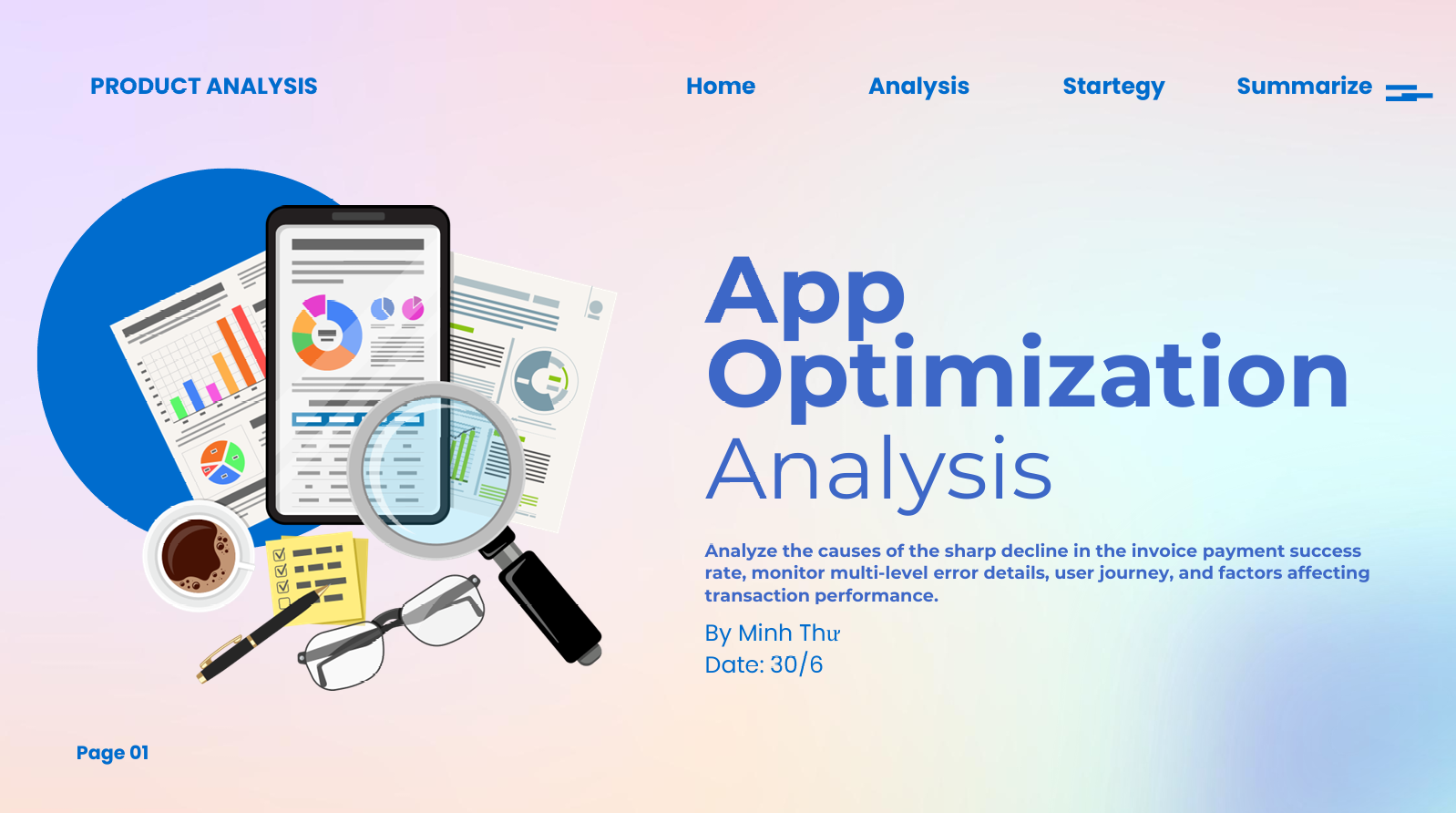
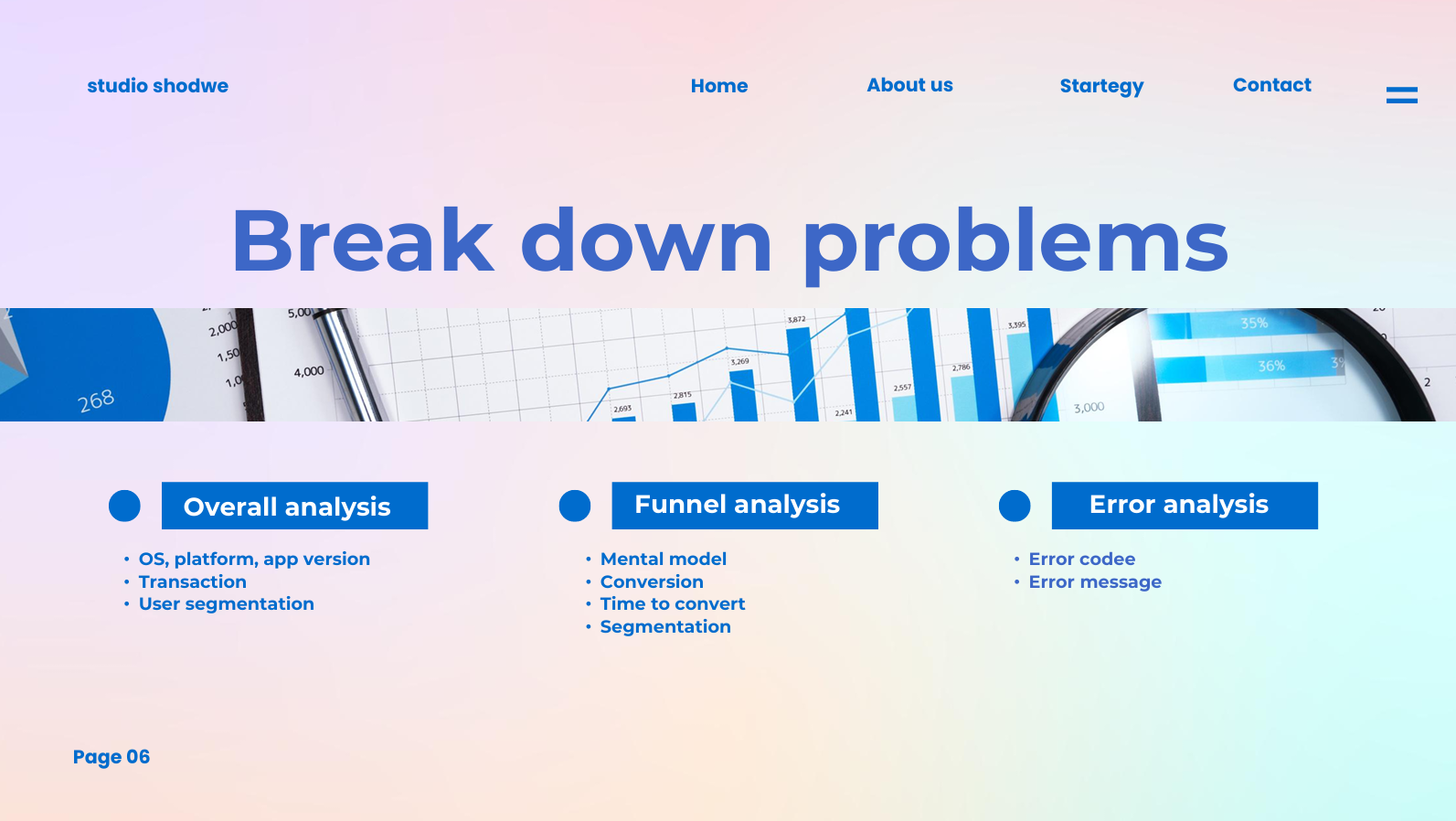
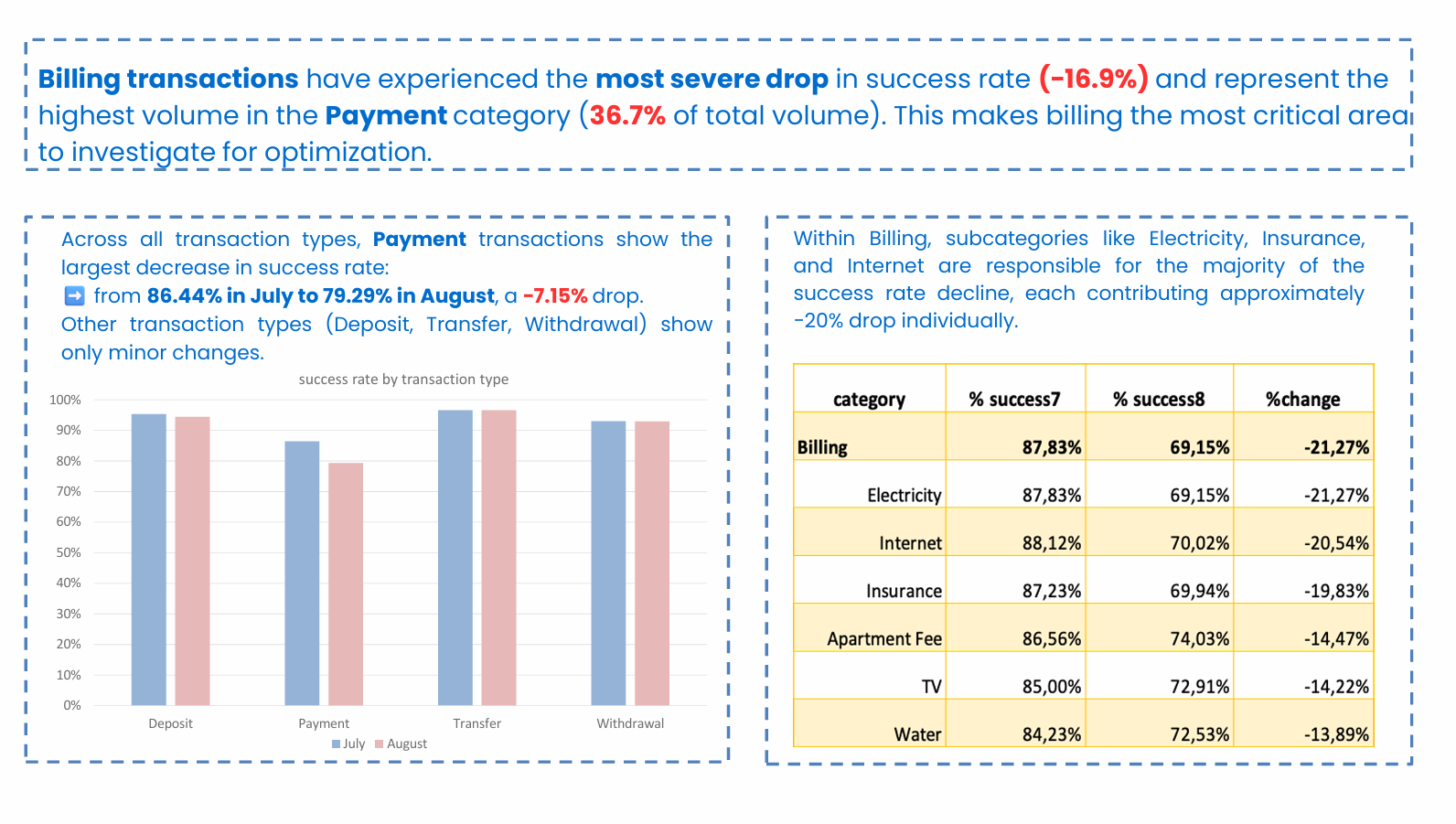
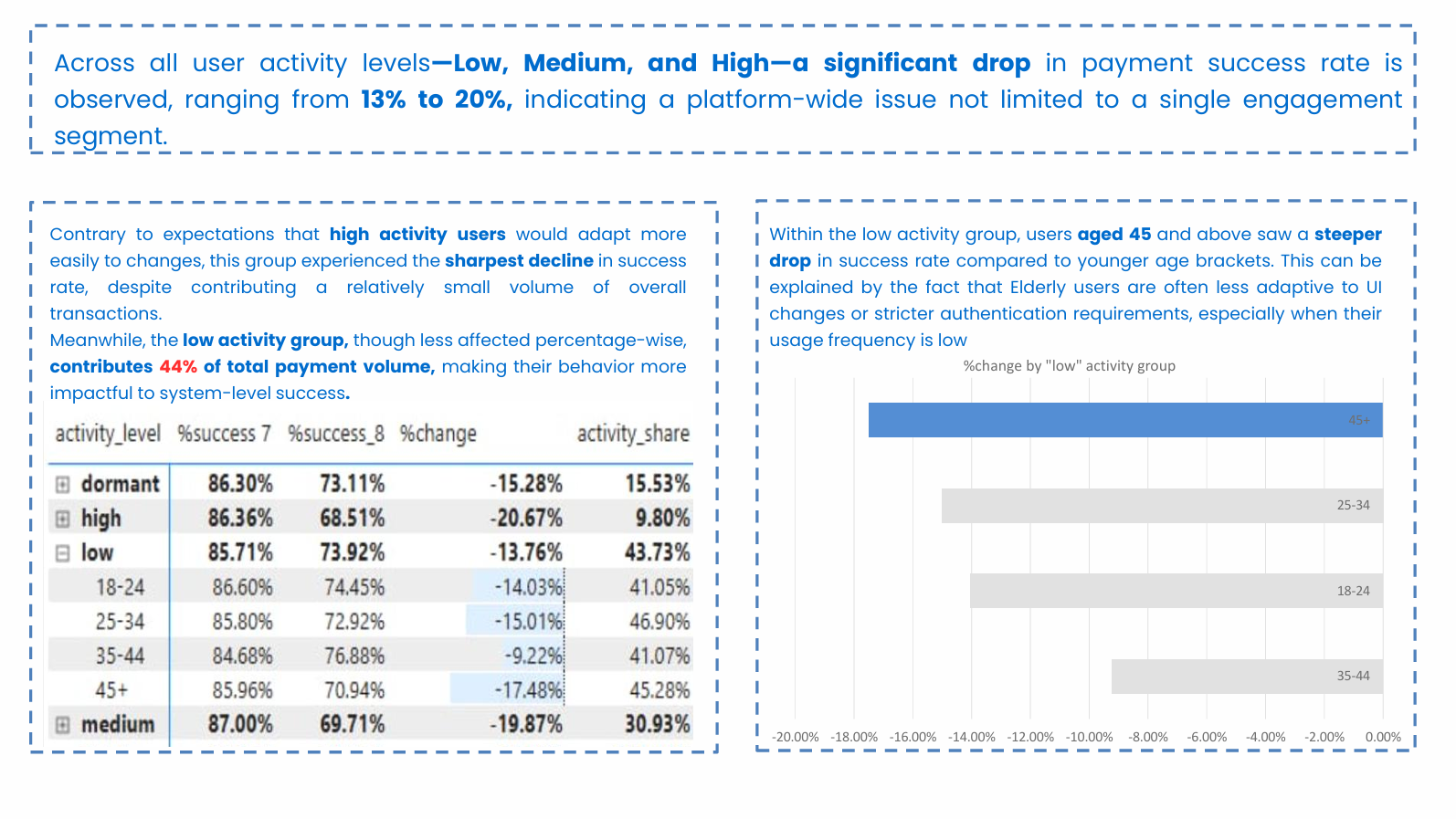
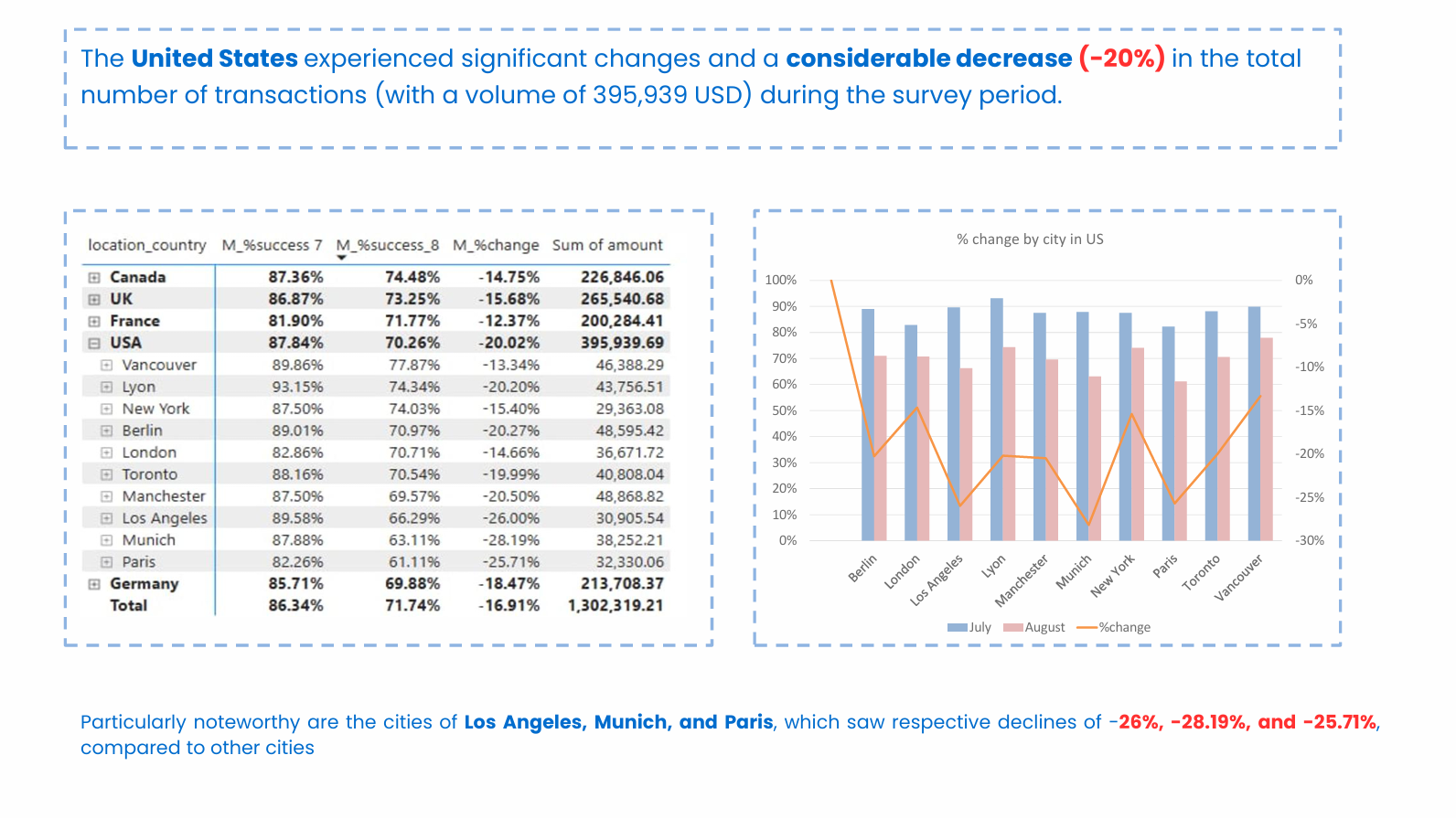
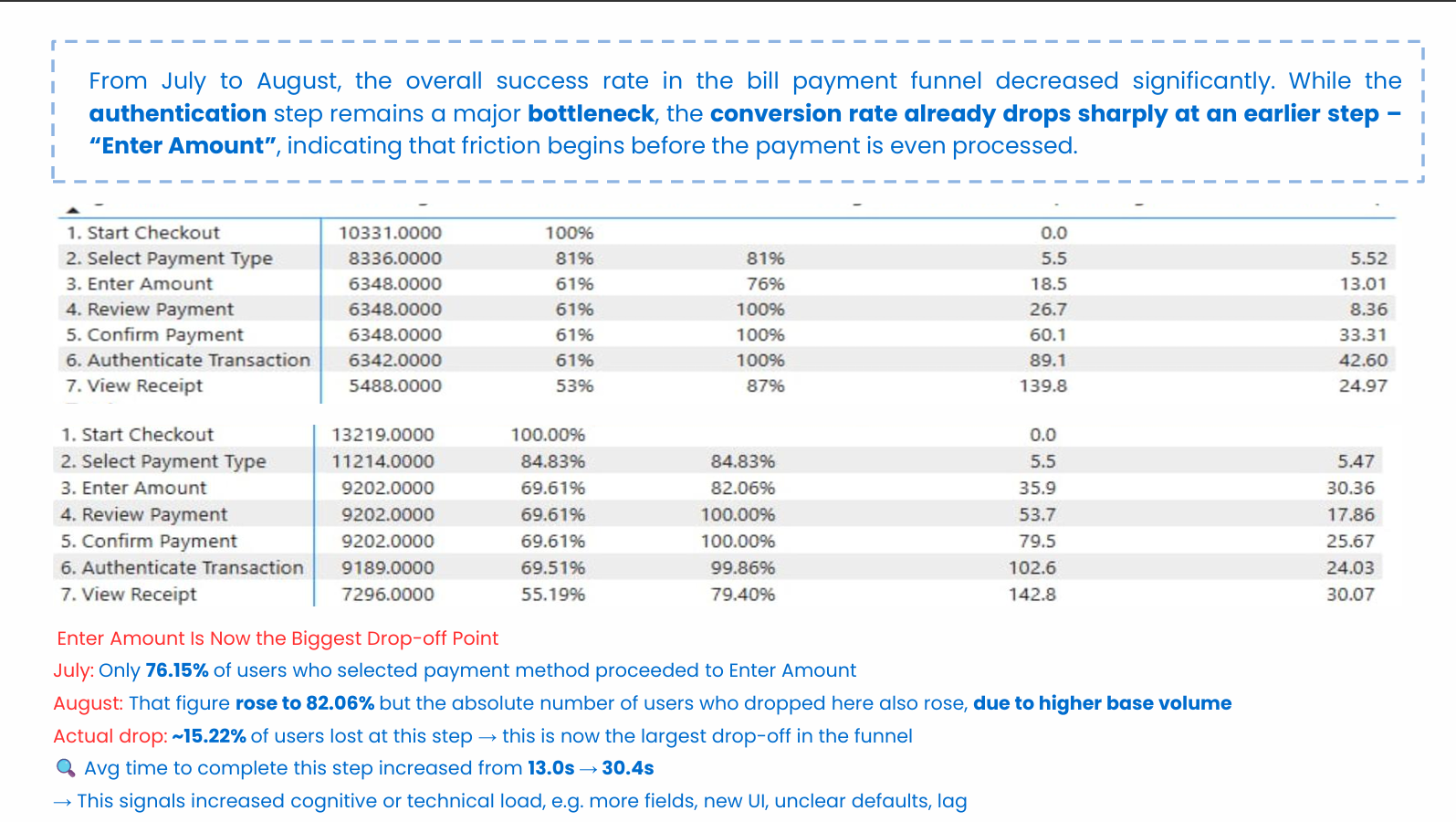
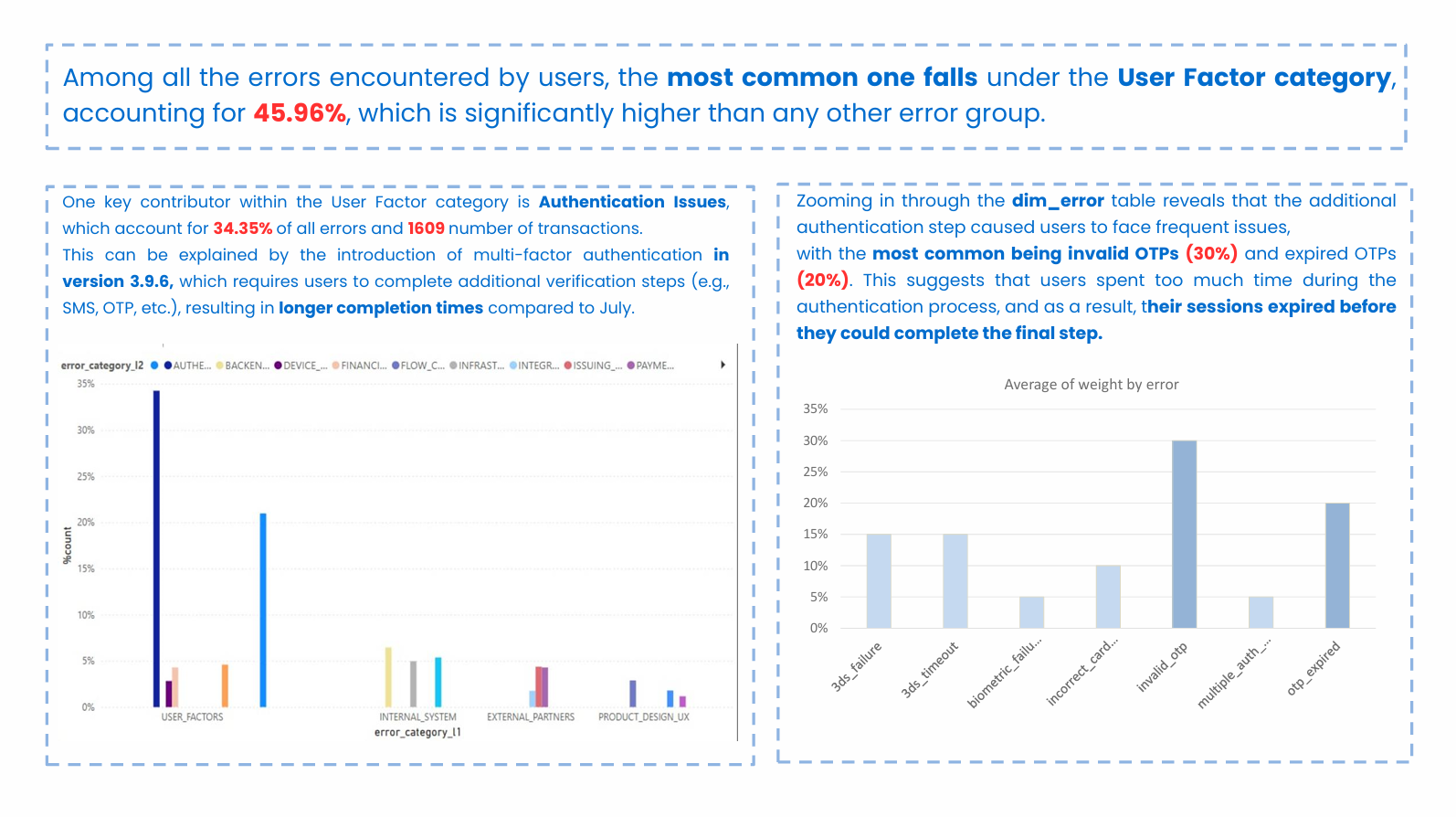
The project analyzes the decline in bill payment success rate on an e-wallet app since August 2025 using transactional, session, event log, and error data. Power BI and the MECE framework were applied to identify failure points across the payment journey, including authentication, gateway redirects, and app version issues. Key insights highlighted correlations between failure rates and user segments, device types, and network quality. The analysis led to actionable recommendations to optimize payment flows and reduce error impact.
Project 2: Credit Risk Analysis
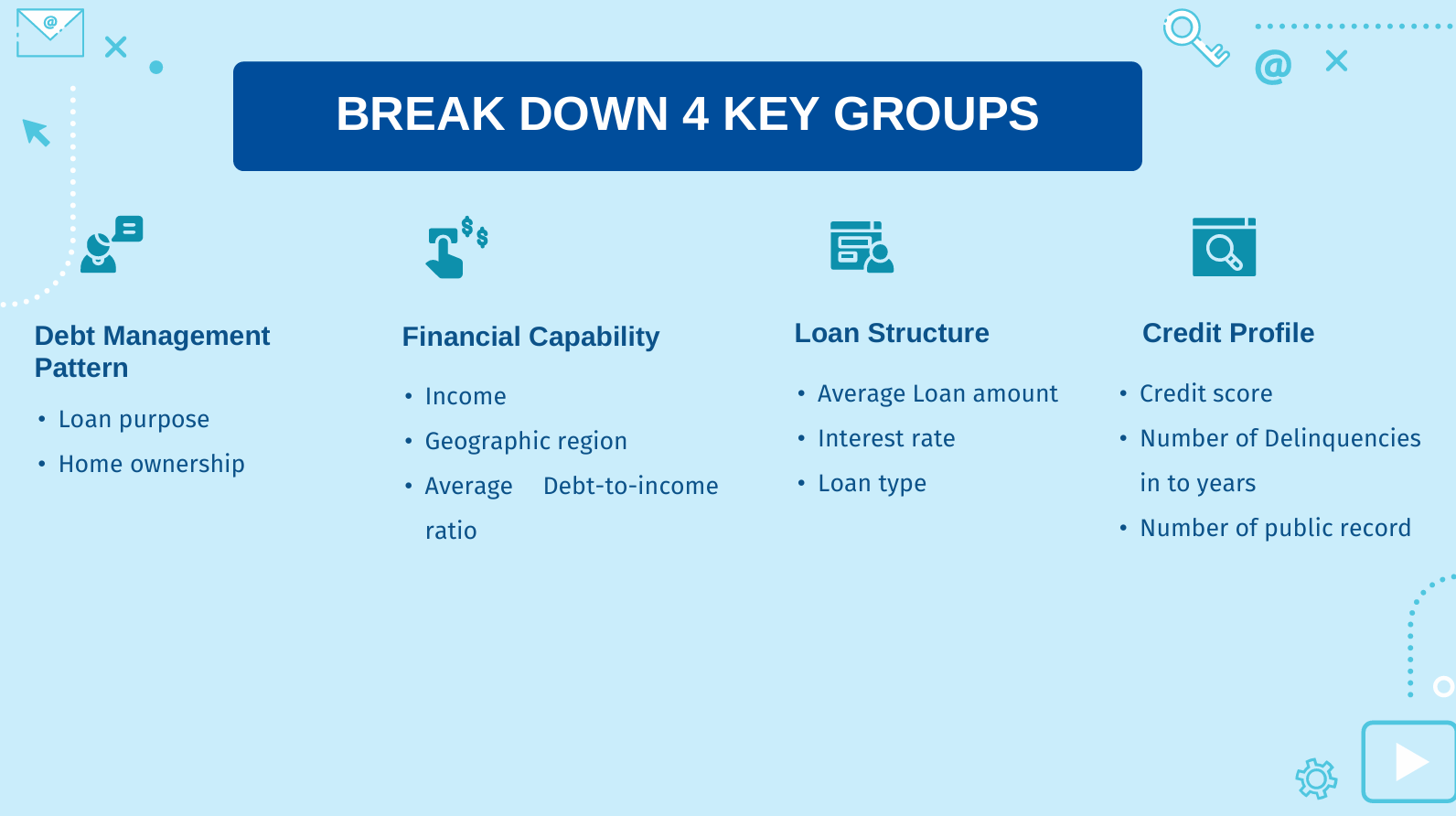
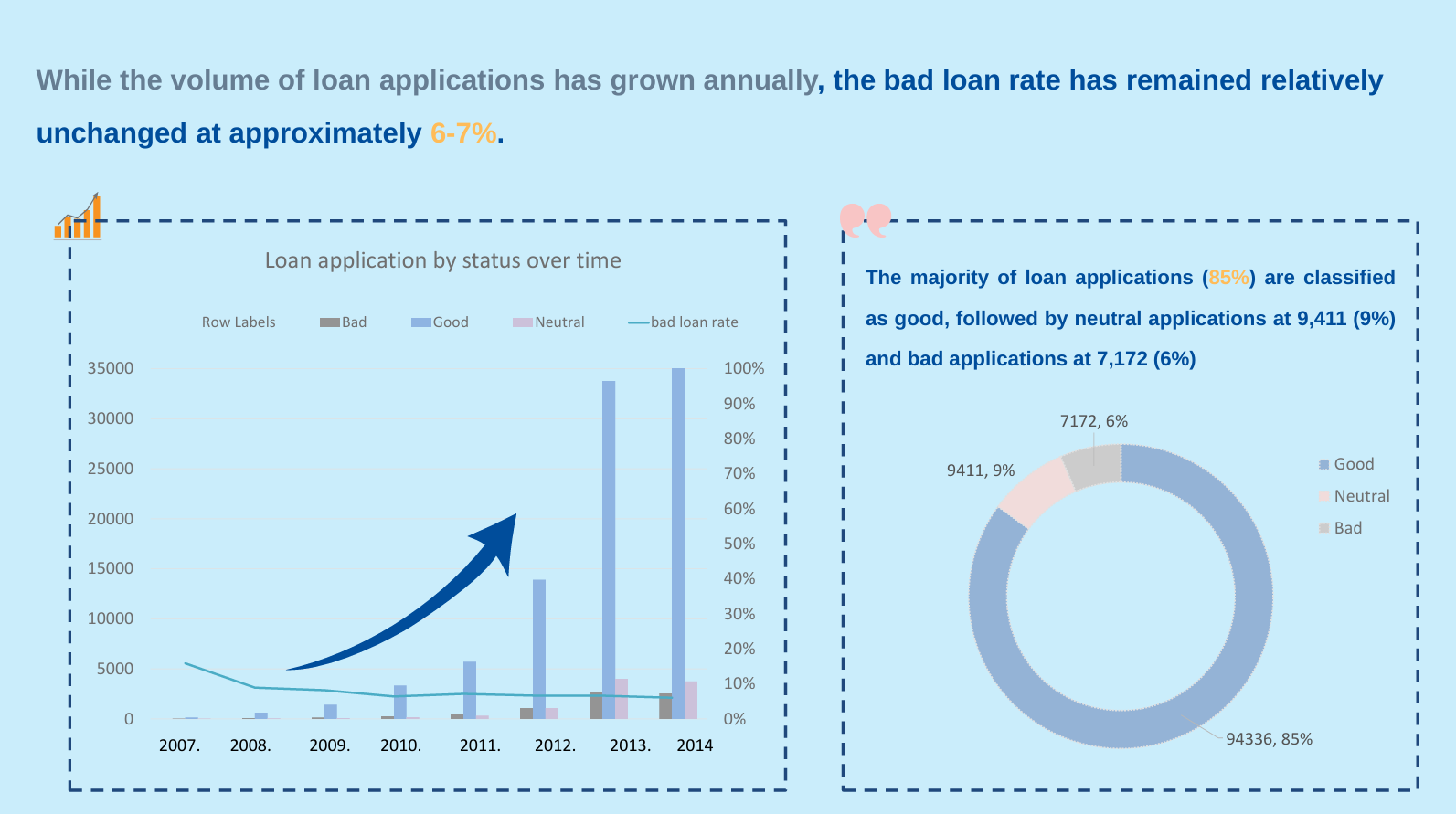
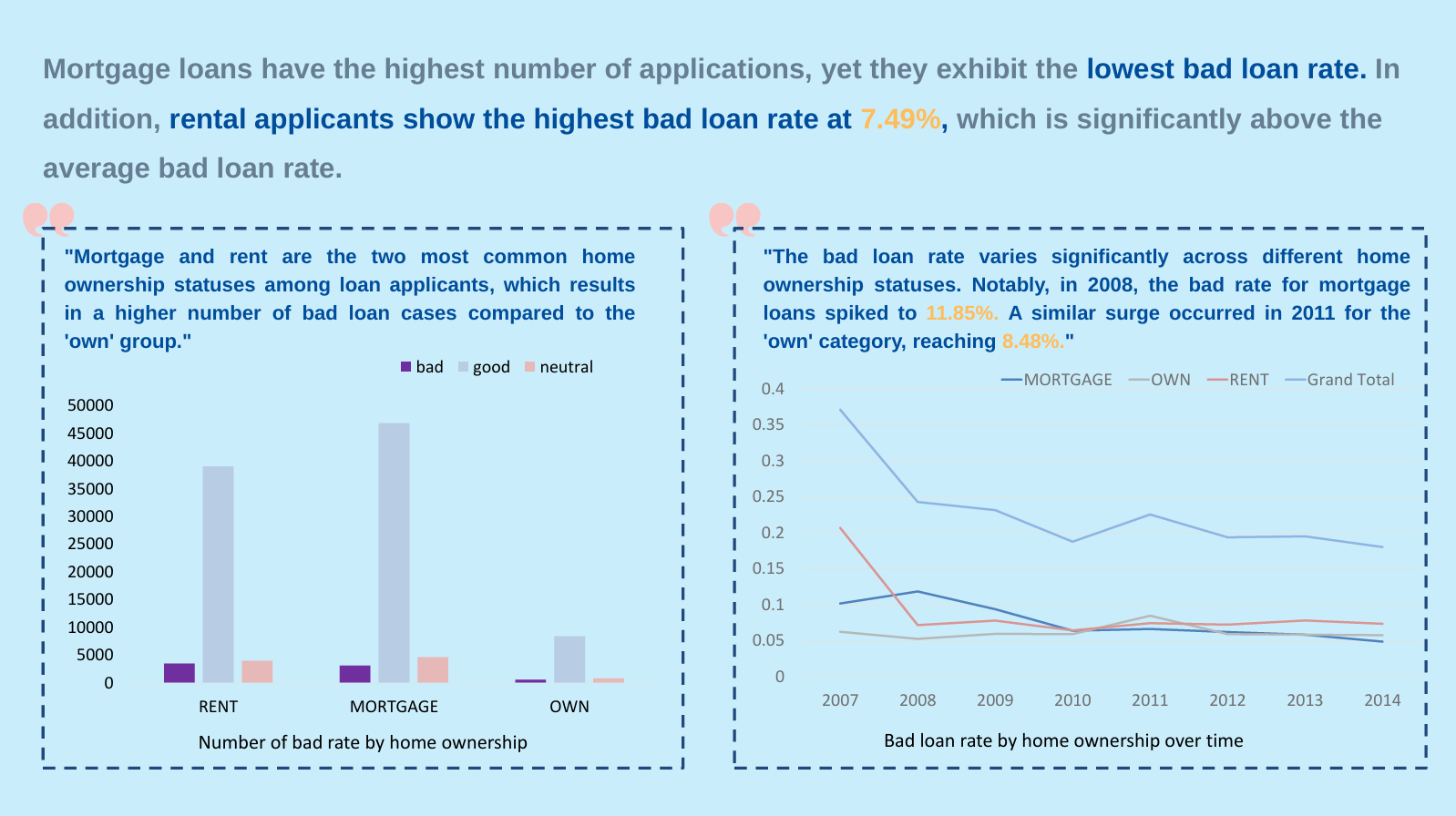
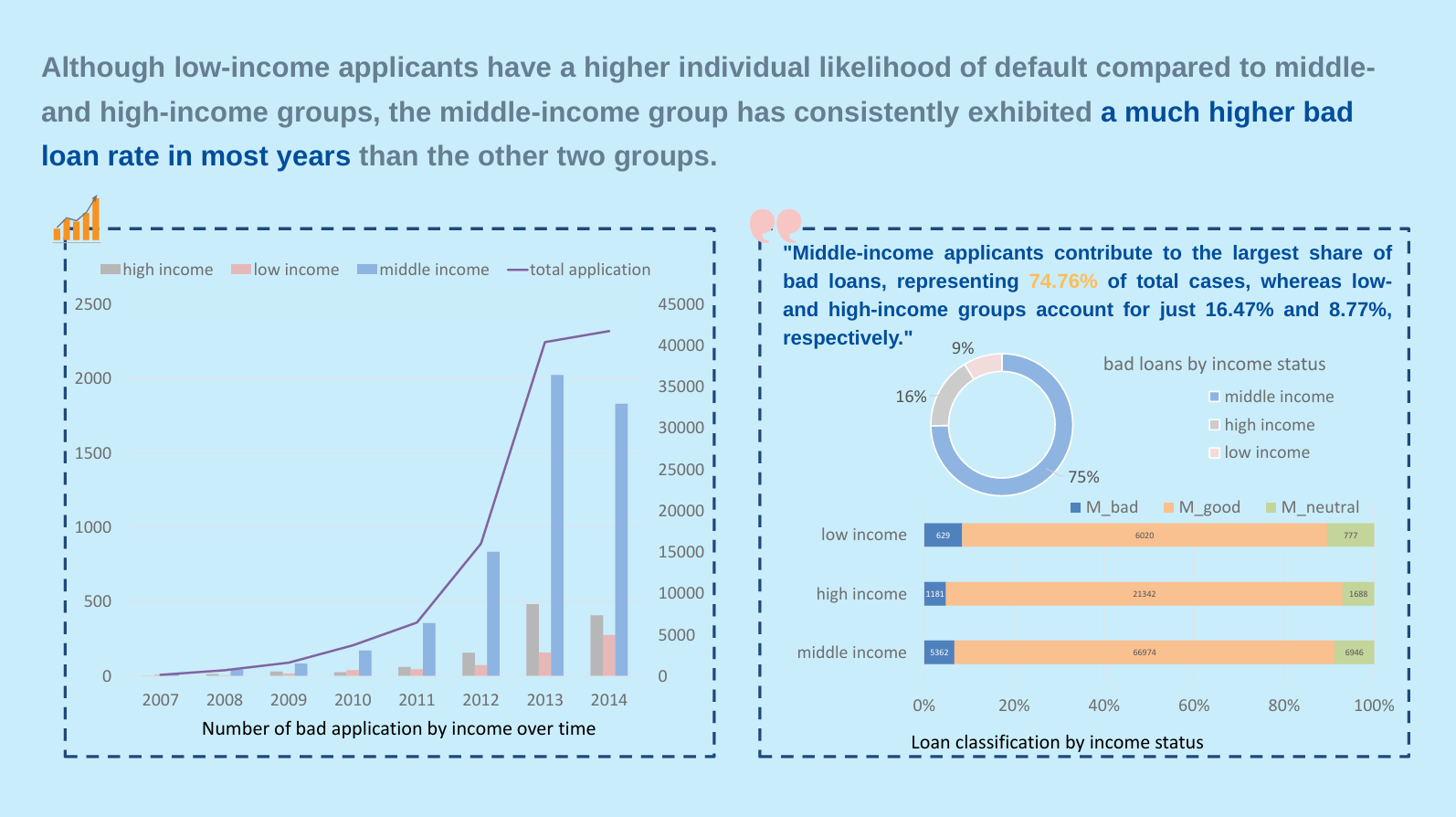
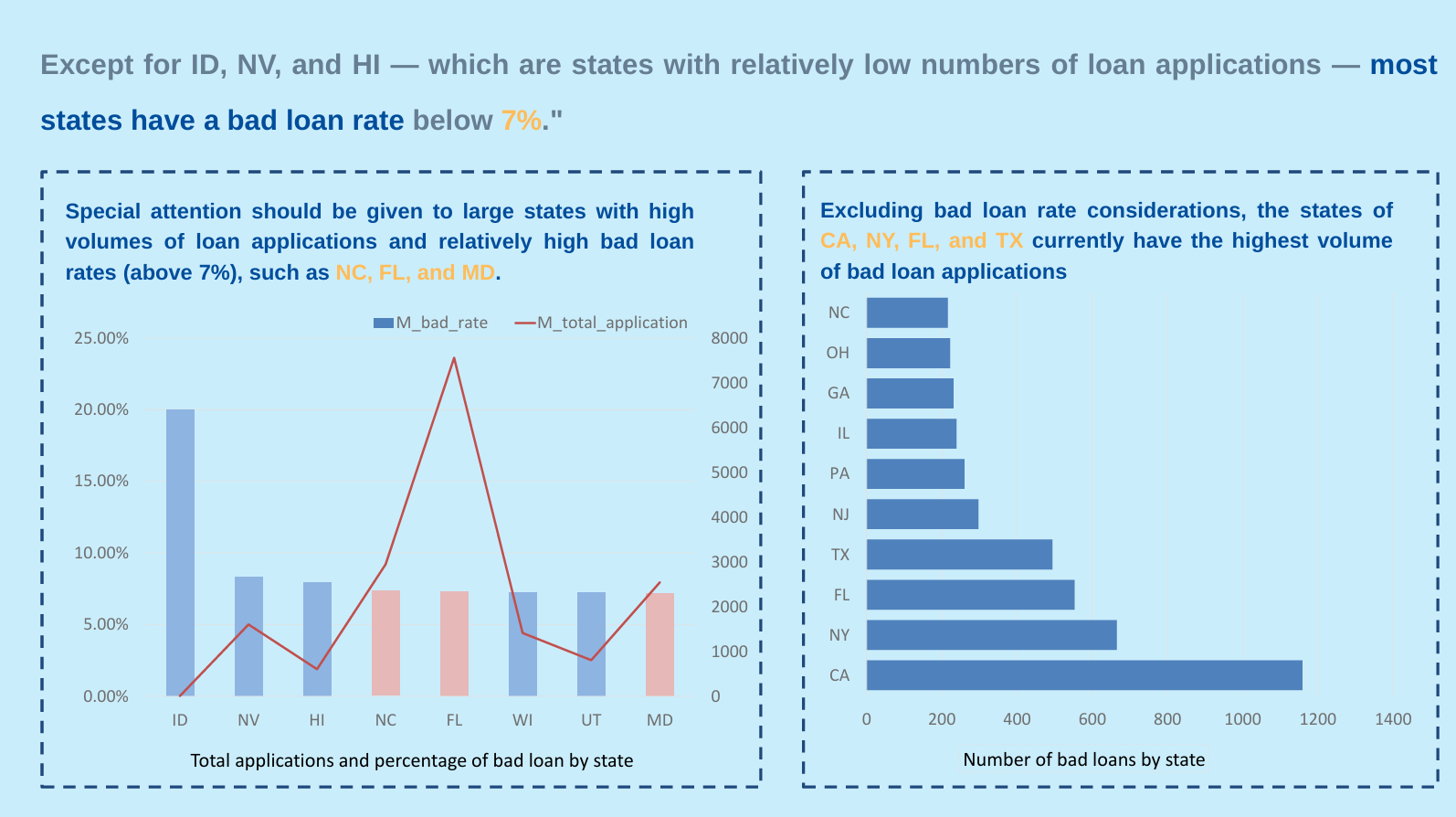
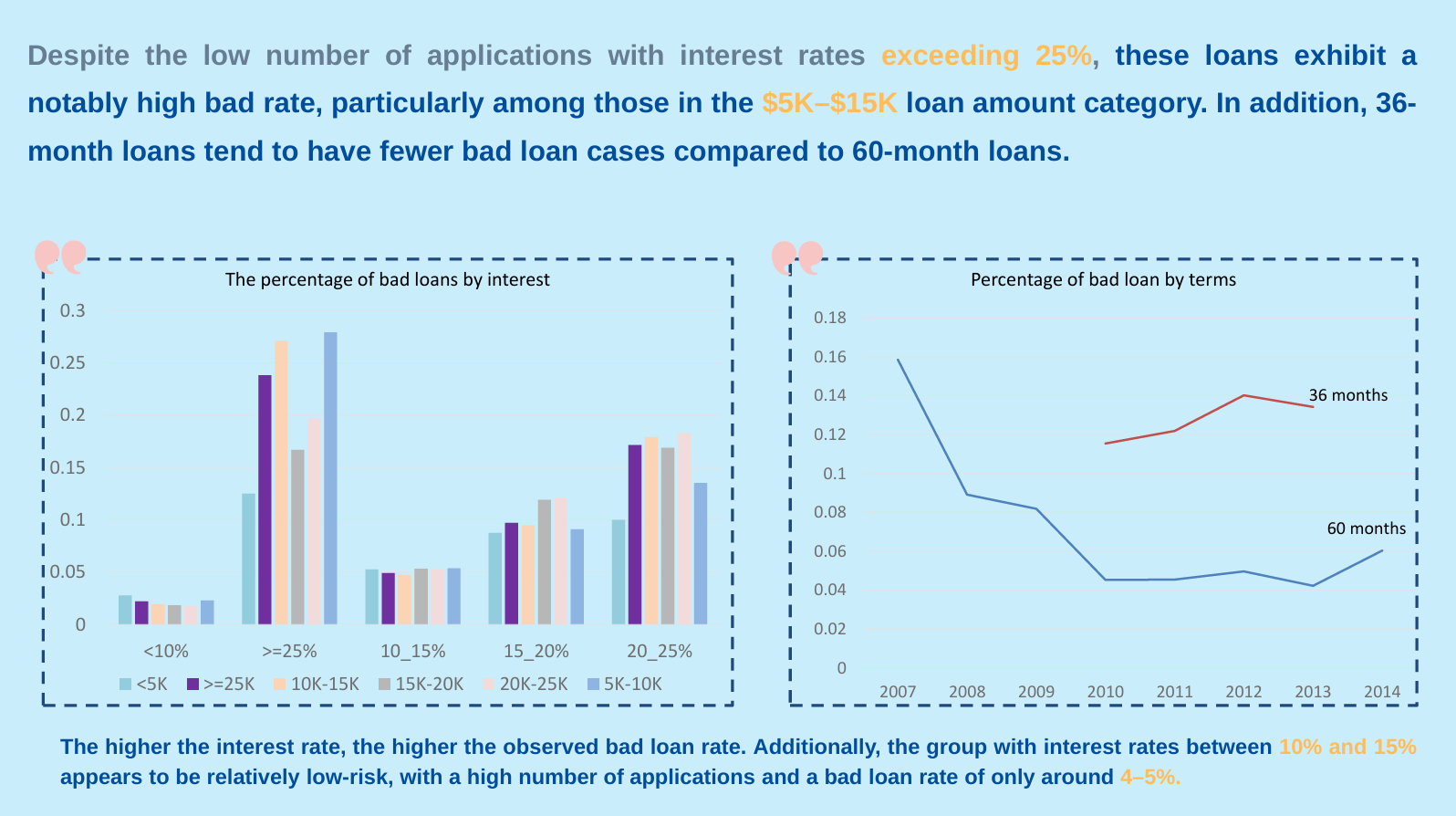
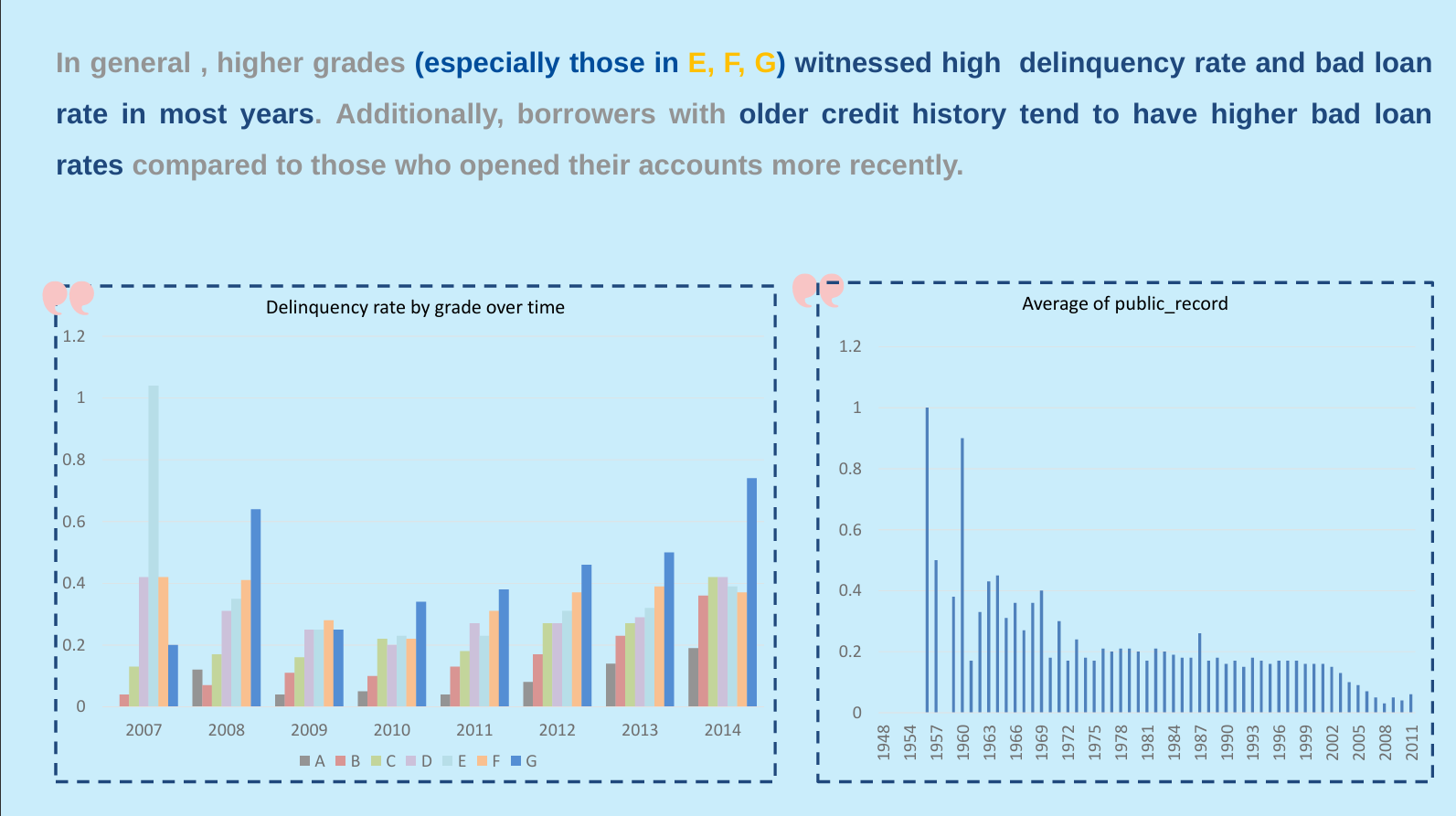
The project focused on analyzing credit risk in a peer-to-peer lending platform using historical loan data from 2007 to 2014. In response to the post-crisis surge in loan applications, using Power BI explores loan records and identifies behavioral patterns that distinguish good loans from bad ones based on credit profile, debt management pattern, financial capability and loan structure. The goal was to provide data-driven insights and recommendations to help reduce default risk and improve lending strategies through better borrower segmentation and risk monitoring.